Start with the problem
Start with the part that is failing, then choose one useful read.
My emulsion keeps breaking
Oil on top, a watery sauce, or clumped cheese: separate starch, heat, and agitation before changing the recipe.
-
 It's Not Elbow Grease That Emulsifies Pasta SauceStart here to split the problem into starch, temperature, and agitation. →
 -
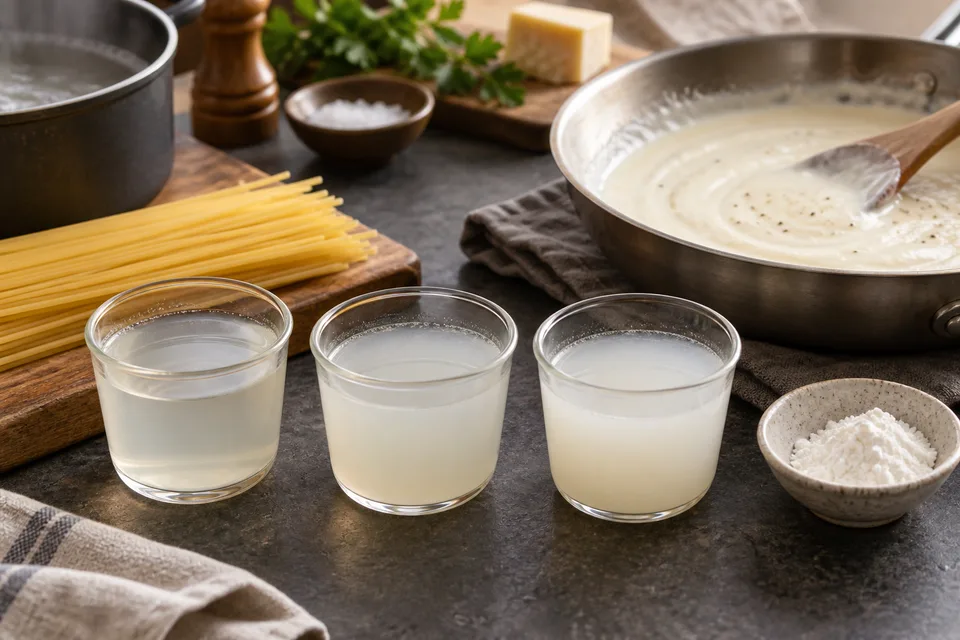 Same Variable, Different Prescription: Kenji vs. the 2025 PaperSee how water volume and starch concentration change sauce stability. →
 -
 1%, 1.5%, 2%: Three Salt Levels for One CarbonaraSet pasta-water salt by concentration instead of guesswork. →
I want carbonara without scrambled eggs
Choose a method, control the egg temperature, and understand what changes when cured pork is substituted.
-
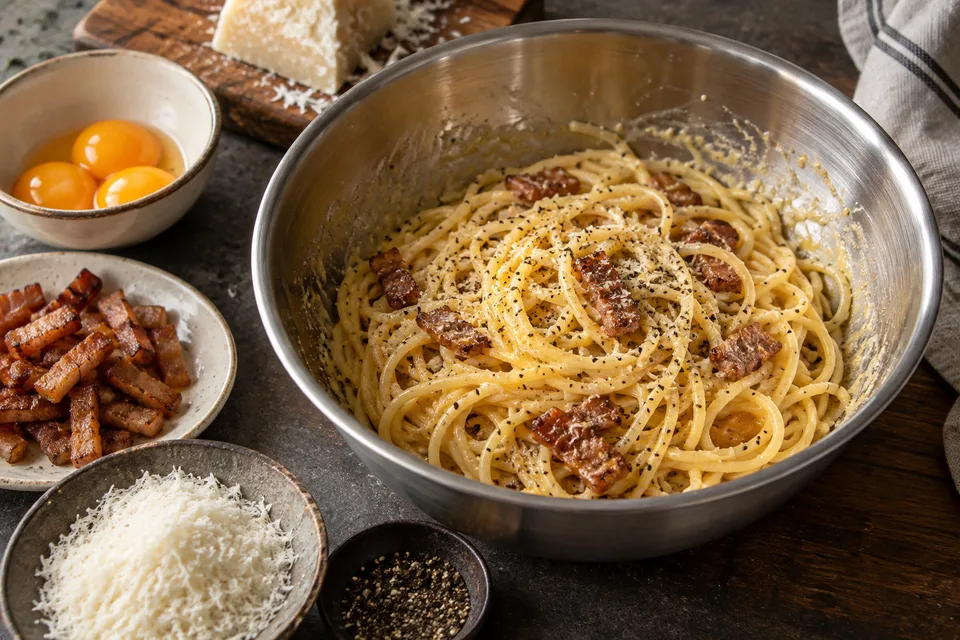 Five Carbonaras, One Argument: Where the Egg Gets WarmCompare five cooks on heat, eggs, and cheese before choosing a method. →
 -
 Egg White Sets First, Yolk Second — That Order Splits the SchoolsFocus on coagulation temperature and when to take the pan off the heat. →
 -
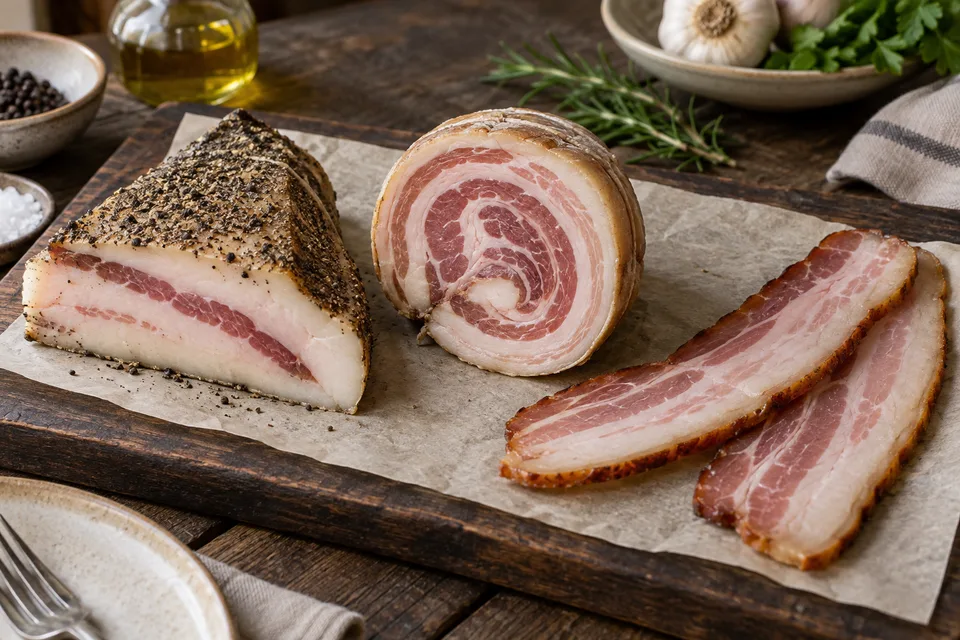 Same Guanciale, Yet Chefs Use 19g to 67g per 100g of PastaUnderstand the tradeoffs when guanciale is unavailable. →
I need to choose the right ingredient
Use differences that change flavor or technique, rather than choosing by price or label alone.
-
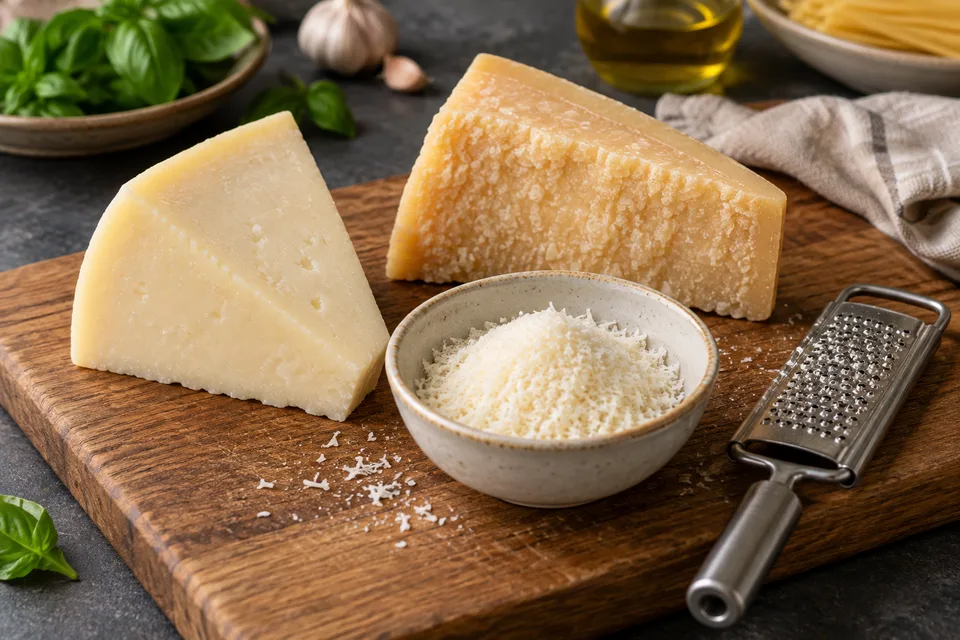 Why Some Chefs Salt the Pasta Water Less for PecorinoCompare the roles of pecorino, Parmigiano, and pre-grated cheese. →
 -
 San Marzano Costs More — DOP Doesn't Promise FlavorChoose among whole, diced, and passata for the sauce you are making. →
 -
 Tellicherry Is a Size Grade, Not a VarietySee how origin, peppercorn size, and grinding change aroma. →
I want useful gear, not more gear
Start with tools that change heat control, texture, or repeatability rather than their price tag.
-
 The Thinner the Pan, the Faster It Reacts — And CoolsChoose an aluminum pan by size, thickness, and heat response. →
 -
 Same Chef, Two Dishes: When Fine Grating Matters LessCompare how graters change cheese texture and melting. →
 -
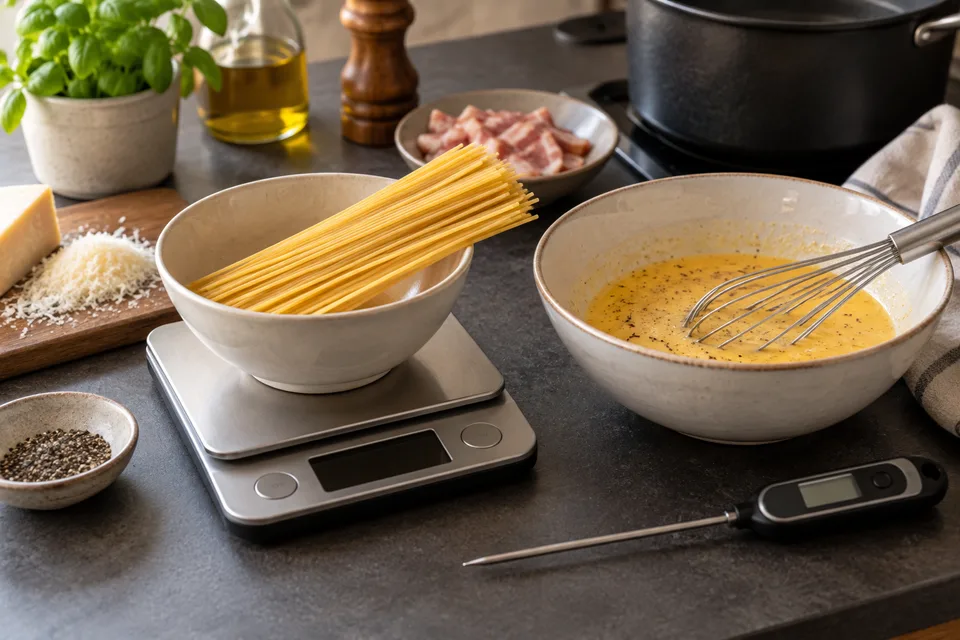 Stopping the Egg at Around 65°C: Scales and ThermometersMake salt and temperature repeatable with two simple measurements. →