Explore by pasta
From familiar favourites to your next discovery. Browse classics and variations by the dish you want to make.
43 styles
About this order
The catalogue begins with useful everyday classics and sauce styles, then opens into regional dishes and ingredient variations. This is an editorial order, not a measured popularity ranking.
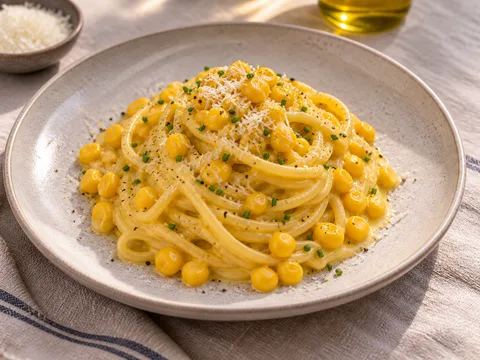
 Carbonara A cream made from just egg, cheese, pork fat, and black pepper. The dividing line is where you bring the egg up to temperature, and it splits cooks into three schools: over direct heat, in a bain-marie, or off the heat with residual heat.
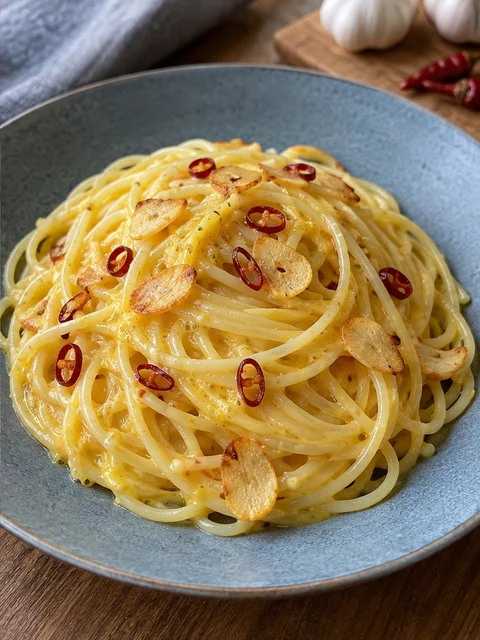
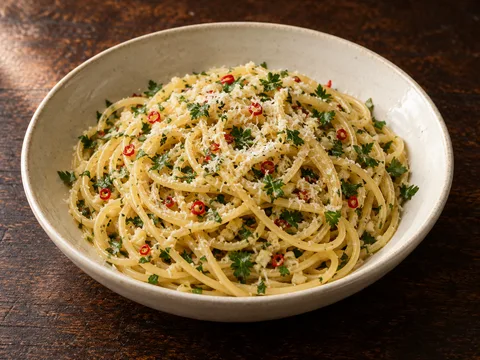
 Aglio, olio e peperoncino Just garlic, oil, chili, and pasta water. With so few ingredients, whether the sauce emulsifies is the whole flavor. Schools diverge on how much pasta water to use and when to pull it off the heat.
 Ragù alla bolognese A dish built on time — browning the meat, then simmering it. Schools diverge on how the ground meat is browned, the use of wine and milk, and how long it simmers.
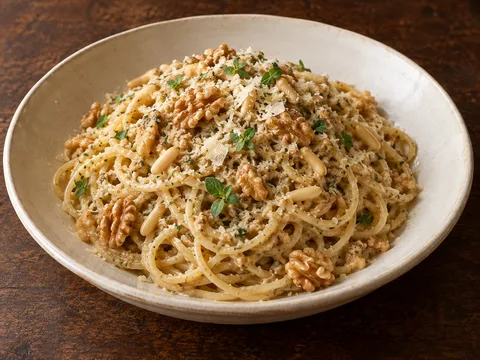
 Pesto Choose basil pesto or a variation made with other nuts or leaves. Each recipe retains its own ingredients.
 Amatriciana Tomato simmered in guanciale fat. The order in which you render the fat, and when you add the Pecorino, change the flavor.
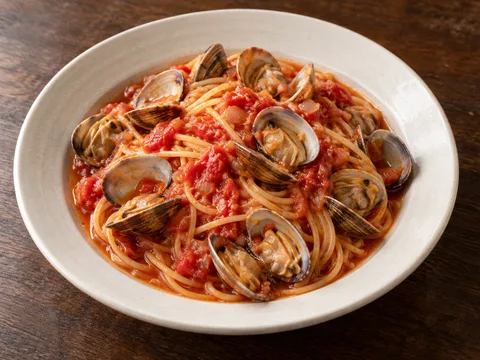
 Vongole Choose clam pasta in a white sauce or a tomato-based rosso.
 Cacio e pepe Just Pecorino Romano and black pepper. Everything comes down to temperature control — turning the cheese into a cream without it clumping.
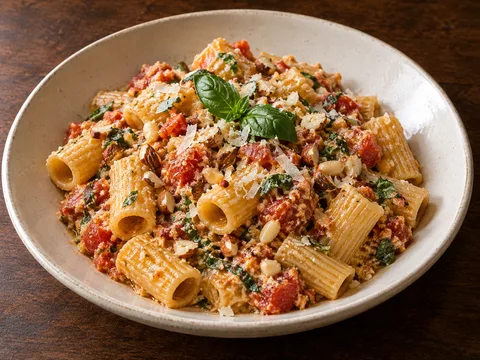
 Pomodoro Pasta in tomato sauce. The same dish becomes a different one depending on which canned tomatoes you use, the simmer time, the amount of oil, and how the basil is added.
 Penne all'arrabbiata An 'angry' sauce of nothing but garlic, chili, and tomato. Its date of origin has several competing accounts (a claim that the cook Giovanni Cortellessa was serving it as a spaghetti dish in a Rome restaurant in the early 1900s; its inclusion in Ada Boni's 'Il talismano della felicità', which the Italian Wikipedia dates to the 1927 edition and RomaToday to 1929; and its appearance in 'Il cucchiaio d'argento' in 1950, cited alongside the others). Schools split over fresh versus dried chili, whether the garlic is left whole or chopped, and whether cheese is added at all.
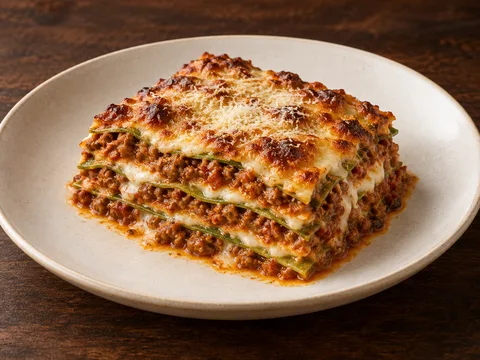
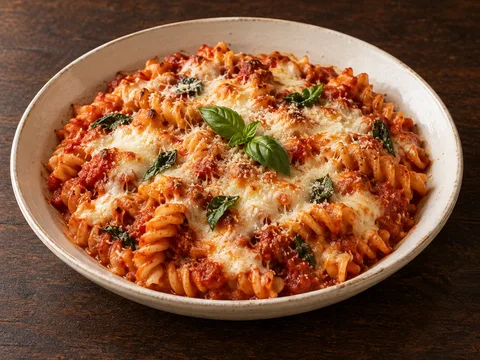
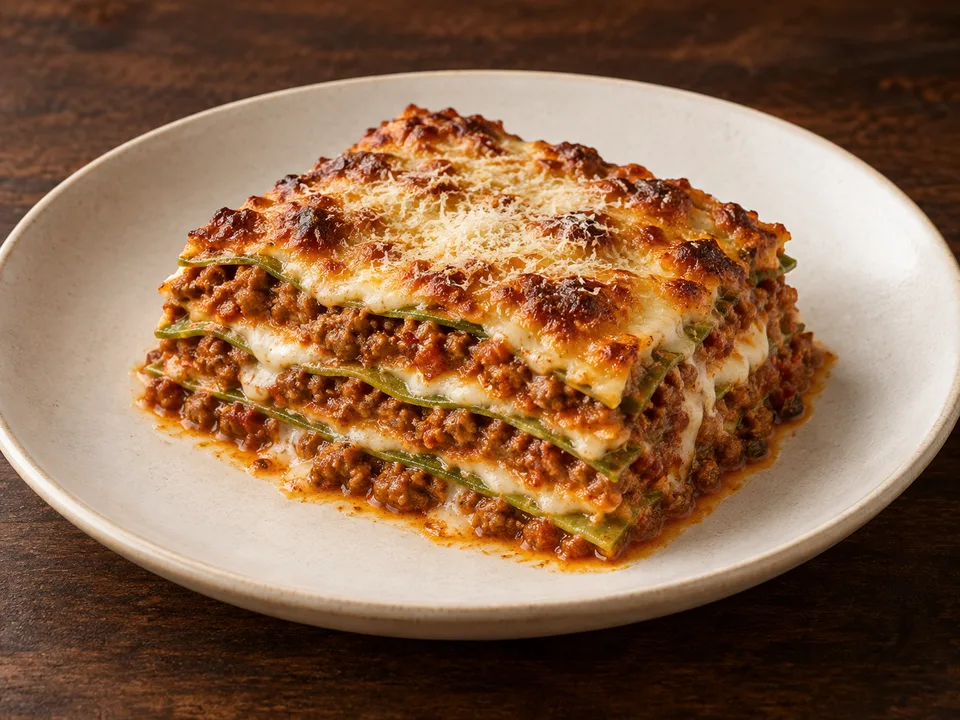 Lasagne and baked pasta Explore lasagne and other baked pasta dishes. Follow each recipe for its filling and baking method.
 Spaghetti alla puttanesca A southern Italian dish built entirely from pantry staples: anchovies, capers, and olives. The main forks are when and how the anchovies hit the heat, and whether the olives and capers are sautéed before the sauce comes together or stirred in afterward.
 Pasta alla Norma A Sicilian dish from Catania finished with fried eggplant, tomato sauce, and salted sheep's-milk cheese. Named, as the story goes, after Bellini's opera Norma, and chefs diverge on how the eggplant is cut, which oil it's fried in, how the tomato is passed, and which cheese finishes the dish.
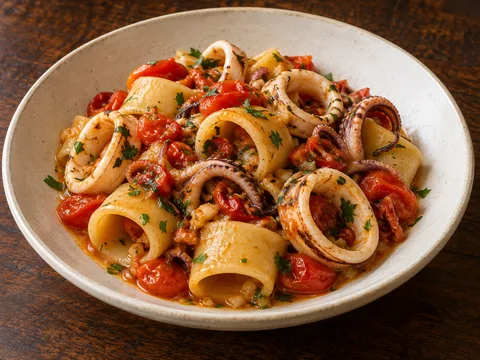
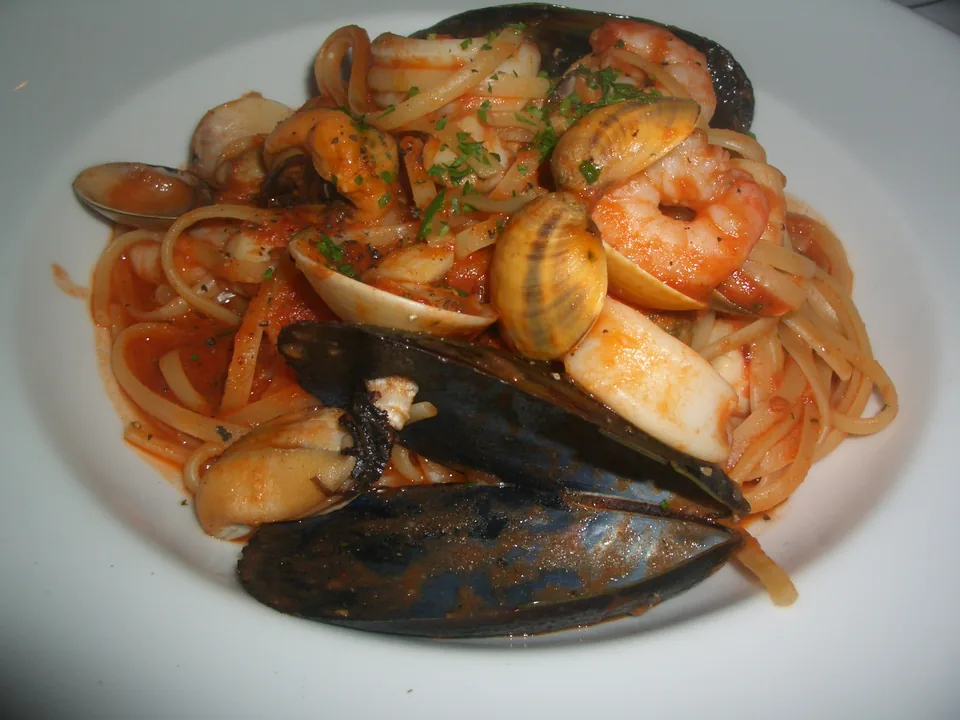 Pescatore and seafood pasta Explore pescatore and other seafood pasta recipes, keeping the seafood and the choice of sauce distinct.
 Cheese pasta Choose a cheese sauce, from a blend of cheeses to Gorgonzola or macaroni cheese. Each recipe has its own ingredients.
 Fettuccine Alfredo The original is 'burro e Parmigiano,' a Roman dish emulsified from nothing but butter and Parmigiano. After crossing to America it picked up heavy cream and garlic, branching into a dish that only superficially resembles the original — that branching is the biggest fork in the dish's history.
 Pasta alla gricia Just guanciale, pecorino, and black pepper. It's considered the 'ur-dish' behind carbonara minus the egg and amatriciana minus the tomato, and schools diverge over whether the emulsion is built directly over the flame or in a bain-marie, and how much pasta water is worked in.
 Pasta al Limone A simple dish where lemon zest and juice emulsify cheese and fat into a light cream. The key divides are whether cream is used, and whether the emulsion is built with butter, olive oil, or a cacio e pepe-style cheese-and-water method — spanning everything from Amalfi's rustic home cooking to richer modern takes.
 Spaghetti al Nero di Seppia A pasta dyed black with squid ink, born of a fisherman's habit of using every part of the squid. The key divides are whether the ink is taken directly from the squid or bought as a commercial paste, and how far the tomato is pushed before it overwhelms the flavor of the ink.
 Napolitan A thick-noodle ketchup pasta that grew up in Japanese kissaten (coffee shops). Boiling the noodles ahead, reducing the ketchup, and the order of the ingredients are what get you to that flavor.
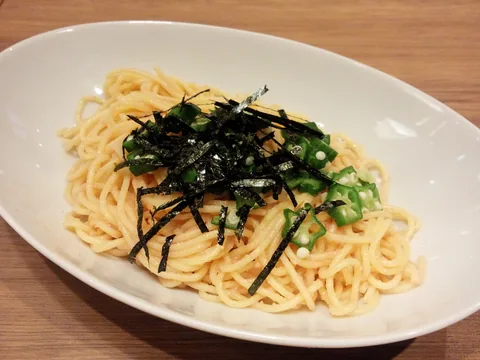
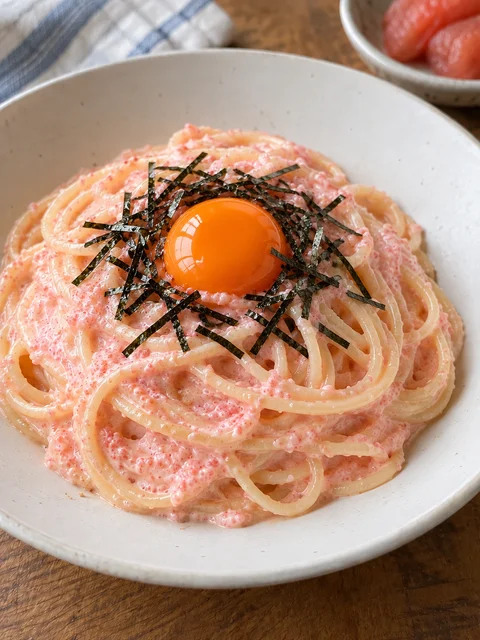
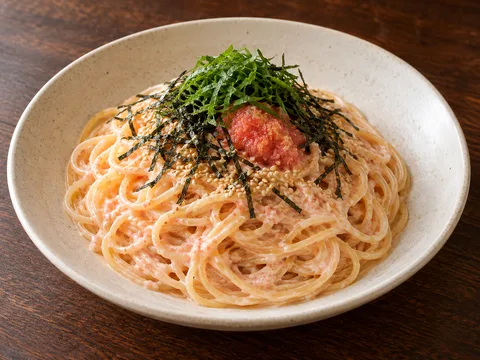
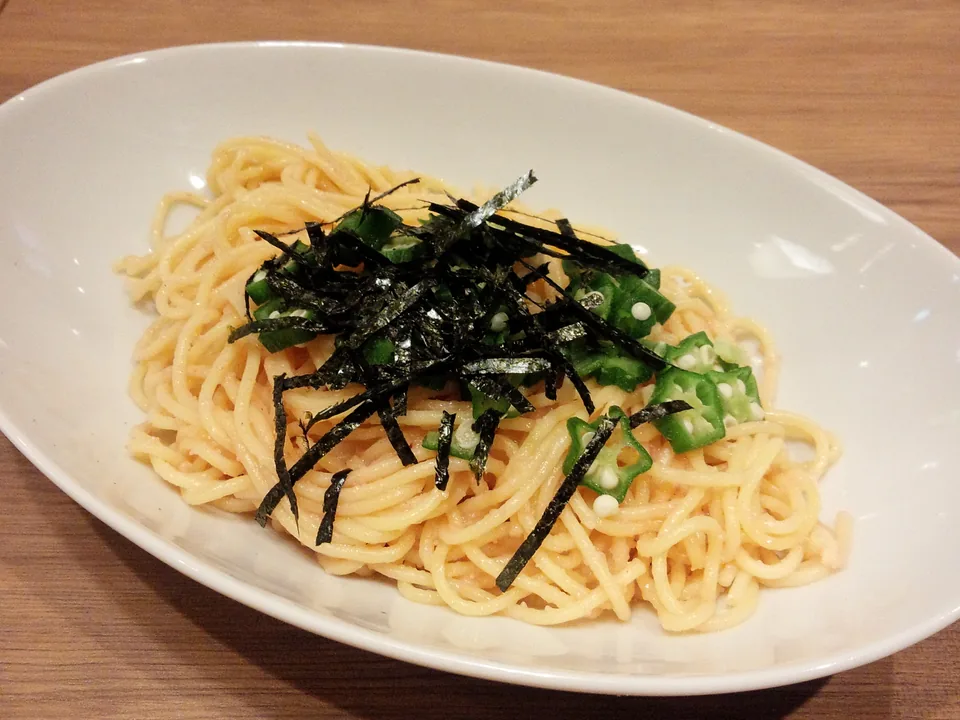 Tarako pasta Choose a classic tarako pasta or its spicy mentaiko variation.
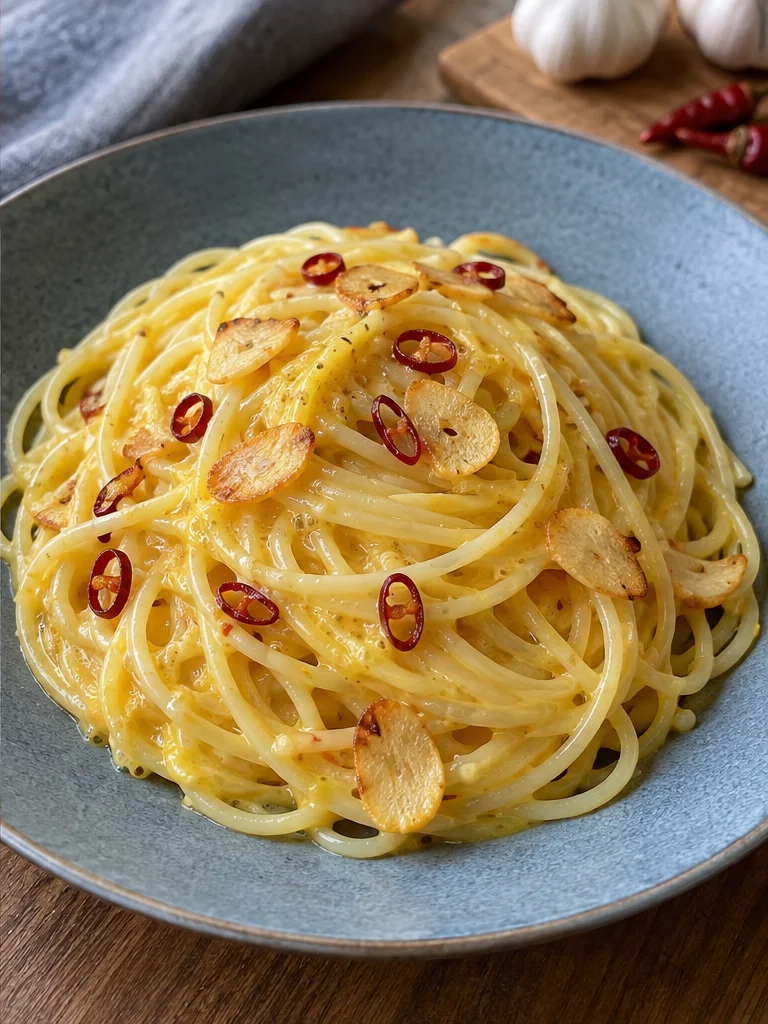 Pepetama A Japanese pasta that brings egg to garlic-and-chilli peperoncino. Egg is essential: it turns the spicy oil emulsion into a rounded, silky sauce.
 Japanese-style Meat Sauce A familiar yoshoku dish of spaghetti topped with minced meat and onion simmered briefly in a sweet, ripe tomato sauce.
 Pasta con le Sarde A Sicilian seafood pasta combining fresh sardines, fennel, raisins, pine nuts and saffron. Toasted breadcrumbs on top stand in for cheese as the "poor man's cheese." The forks are whether saffron and white wine are used, and whether the fennel's cooking water is used directly as the pasta water.
 Spaghetti all'Assassina The pasta is never pre-boiled: it's seared raw, directly in a cast-iron pan, in a tomato broth until parts of it char. It's a relatively recent regional dish, invented in 1967 by a cook in Bari, and the main forks are how concentrated the broth is and how it's topped up, and how far you let the char go.
 Pesto alla trapanese Raw tomato, almonds, basil, and garlic, crushed together in a mortar or a blender with no cooking involved — a no-cook relative of pesto genovese, also known as pesto rosso or pasta cull'agghia. The main forks are the tool used to crush it (mortar or blender) and whether the tomato and almonds are used raw or first blanched and roasted.
 Bigoli in salsa A tomato-free Venetian pasta made with nothing more than onion and anchovies (or salt-cured sardines). Tradition holds that it originated in Venice's Jewish quarter as a dish for meatless "giorni di magro" (lean days). Bigoli are thick long noodles extruded through a bigolaro, often from wholewheat flour.
 Penne alla Vodka A pink-sauced pasta made with tomato, cream and vodka. The Italian-origin theory and the New York Italian-restaurant-origin theory still compete, and the forks between schools are the type of pork used (pancetta, guanciale, prosciutto, or none), whether cheese and chili are used, and when the cream goes in.
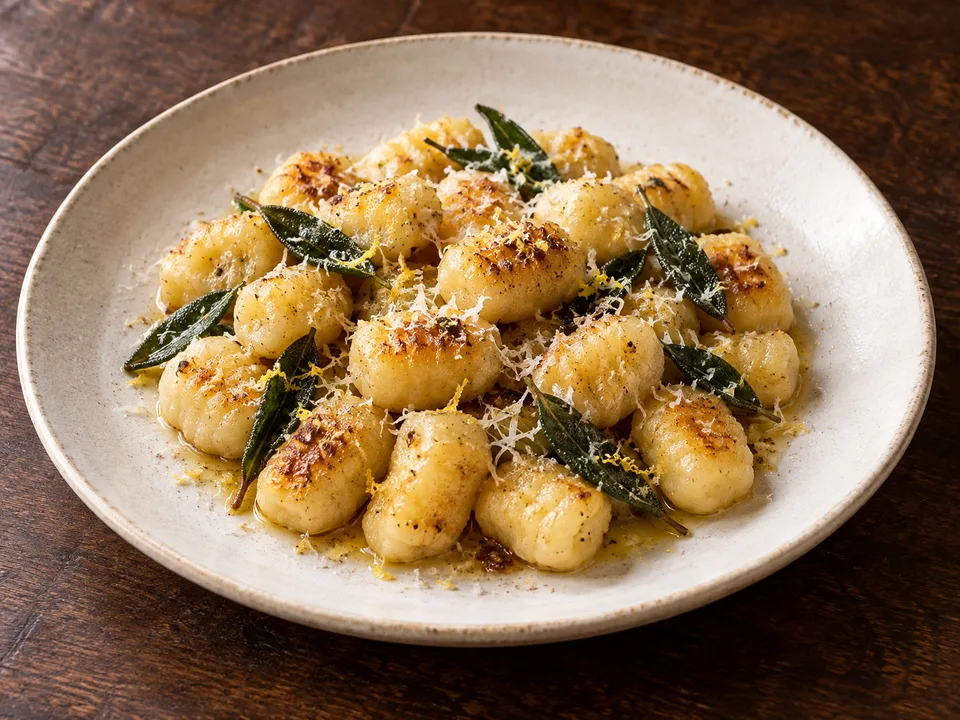 Butter pasta Explore butter-based pasta with sage, truffle or other aromatic ingredients. Follow the separate recipes for each combination.
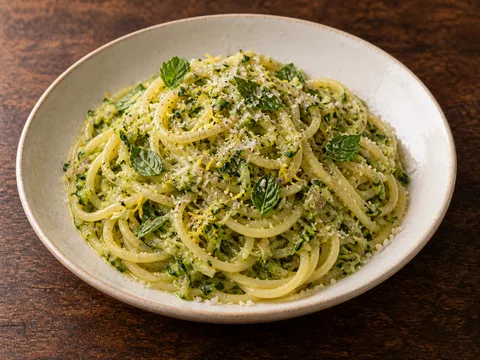
 Spaghetti alla Nerano Thin zucchini rounds are fried and scented with basil, then emulsified gently with spaghetti, pasta water, and Provolone del Monaco.
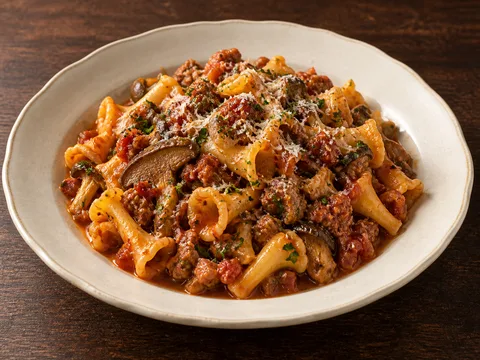
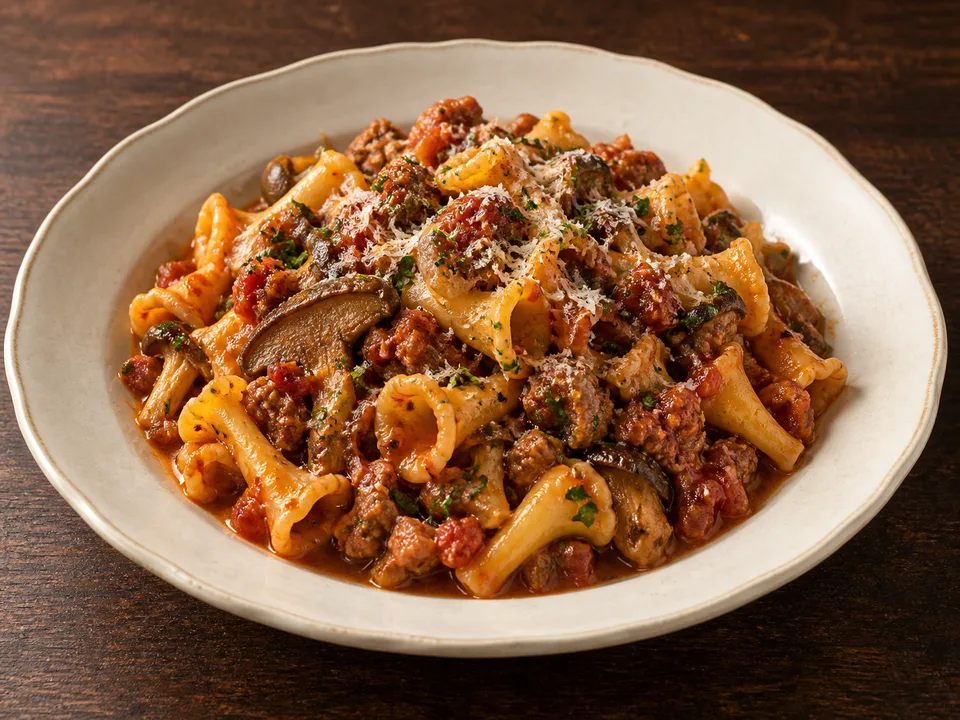 Pasta alla boscaiola Fresh mushrooms and porcini simmer with sausage, pancetta, white wine, and tomato for a red boscaiola without cream.
 Soup and one-pot pasta Explore pasta soups and one-pot dishes with beans or vegetables. Each recipe specifies its own broth and cooking method.
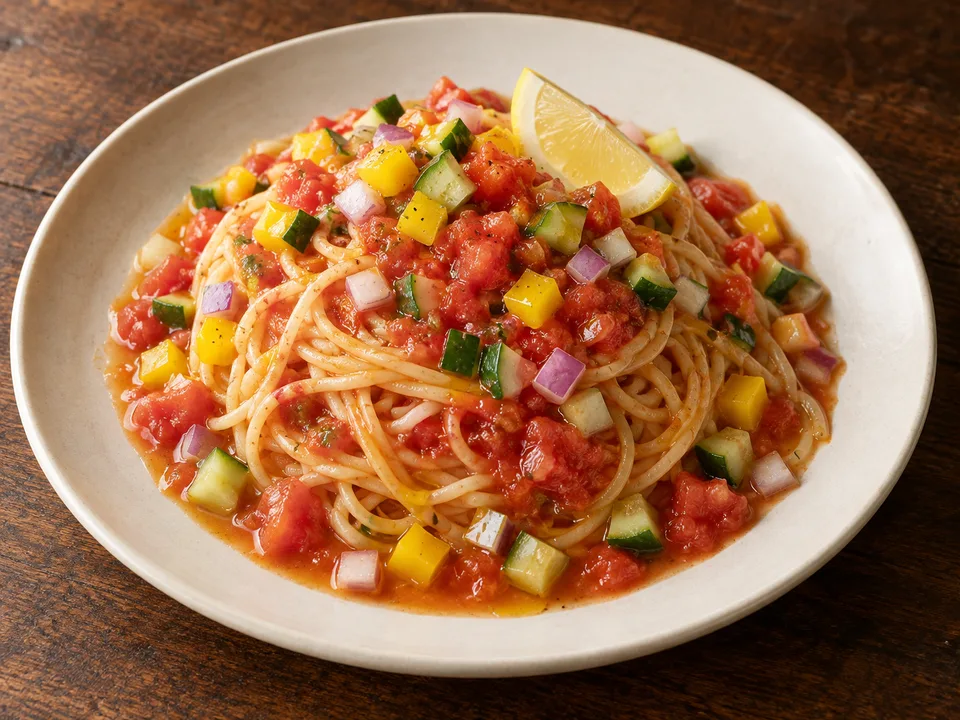 Cold pasta Explore cold pasta recipes and Chef Ogura’s fruit variations in one collection, with ingredients kept distinct.
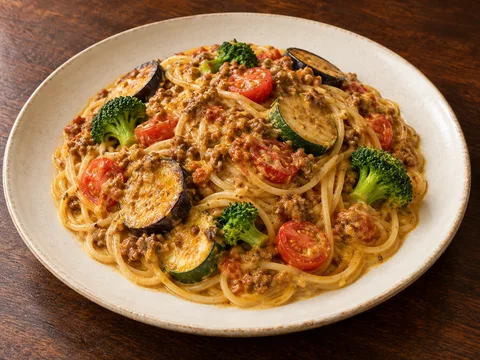
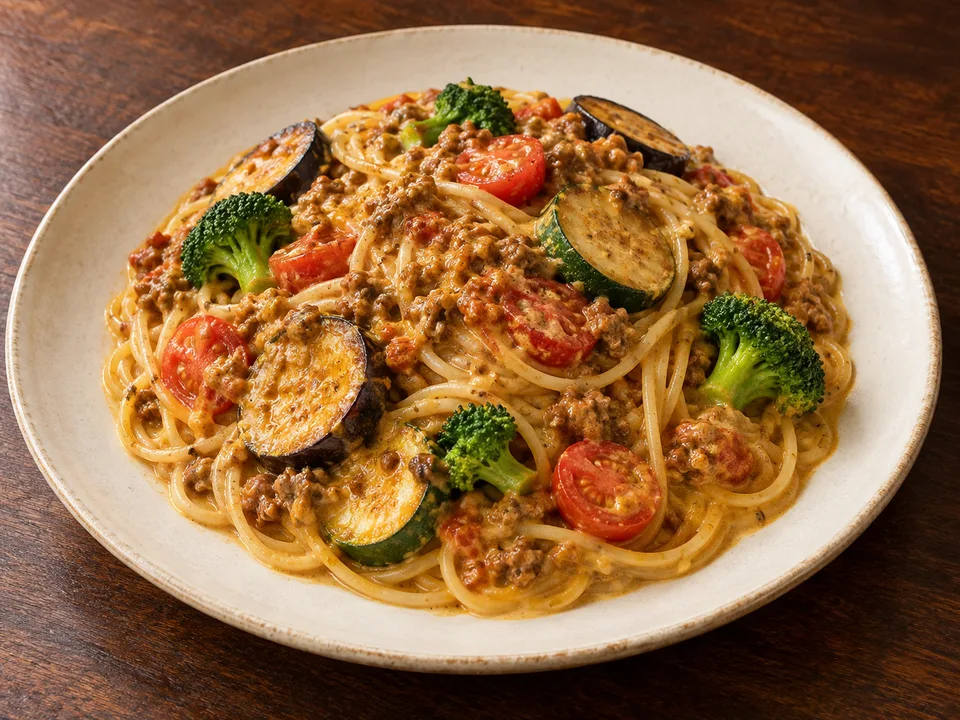 Curry Pasta A yoshoku-style spaghetti that turns meat sauce into a creamy curry sauce with eggplant, courgette, cherry tomatoes and broccoli.
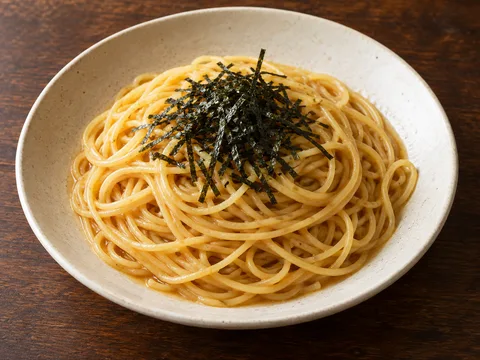
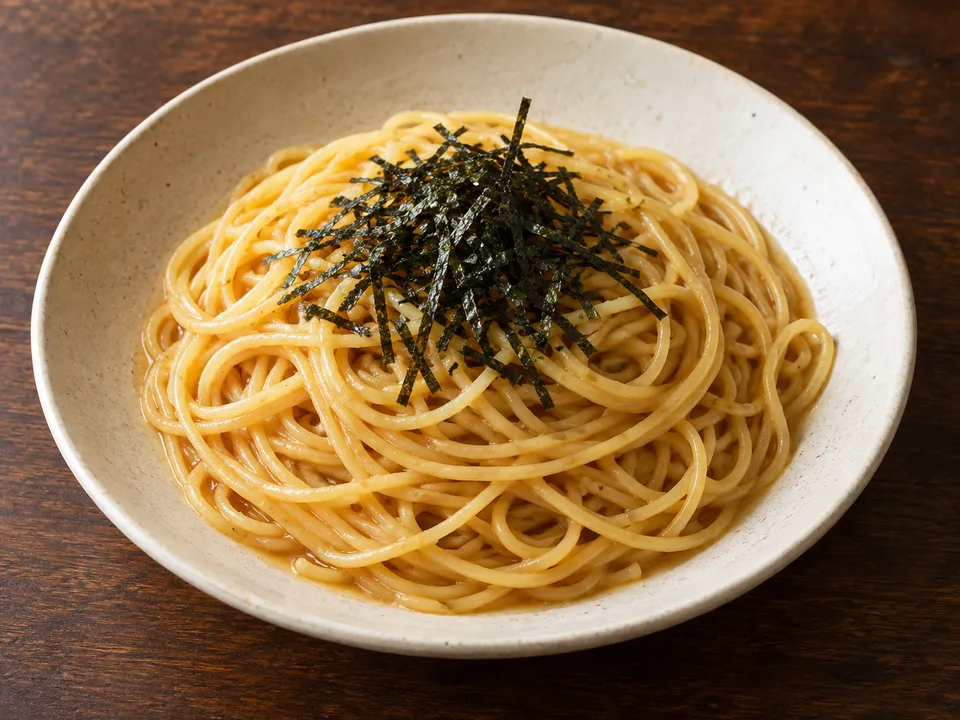 Butter Soy Sauce Pasta A plain Japanese home-style pasta that tosses spaghetti with butter, soy sauce and pasta water, finished with shredded nori.
 Spaghetti alla Bottarga Spaghetti tossed in olive oil scented with garlic and parsley, then layered with bottarga and lemon zest.
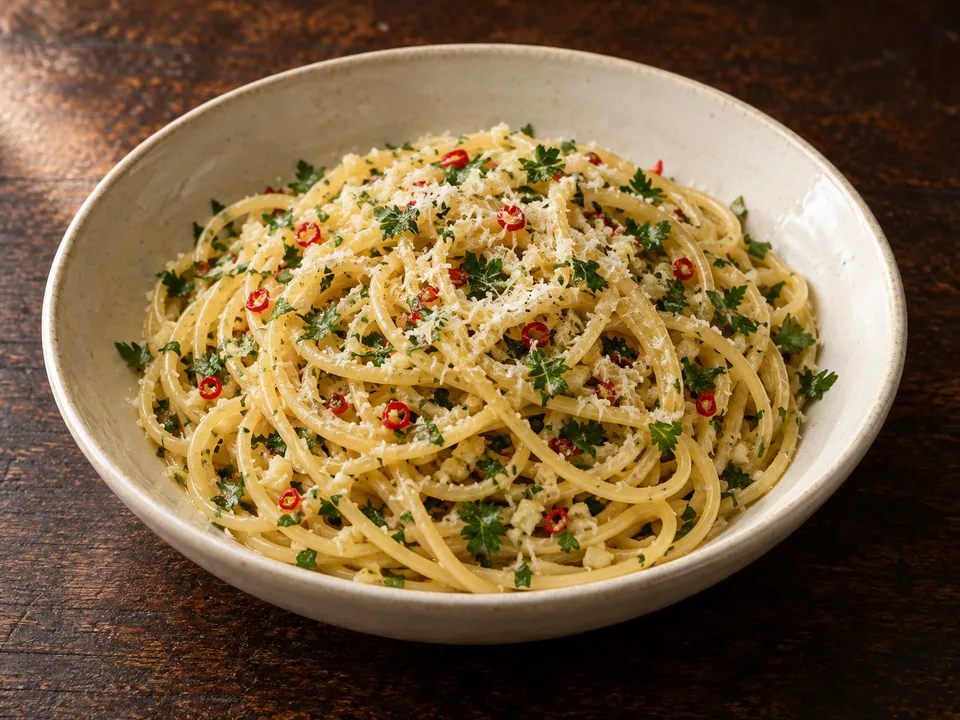 Pasta alla Carrettiera Hot spaghetti emulsified with raw garlic, chilli, olive oil, Pecorino and parsley.
 Poor man’s spaghetti Explore the ingredients and watch Chef Ogura’s official video for the cooking method. Tomomi Ogura official video
 Marinara Explore the ingredients and watch Chef Ogura’s official video for the cooking method. Tomomi Ogura official video
 Ragù bianco Explore the ingredients and watch Chef Ogura’s official video for the cooking method. Tomomi Ogura official video
 Alla panna Explore the ingredients and watch Chef Ogura’s official video for the cooking method. Tomomi Ogura official video
 Scarpariello Explore the ingredients and watch Chef Ogura’s official video for the cooking method. Tomomi Ogura official video
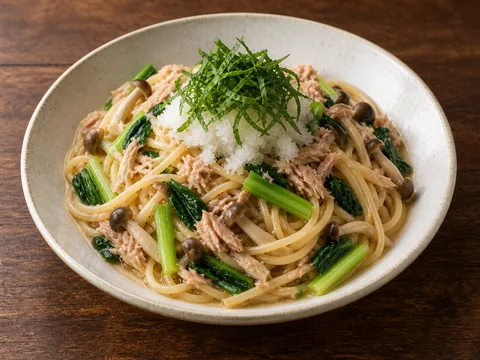
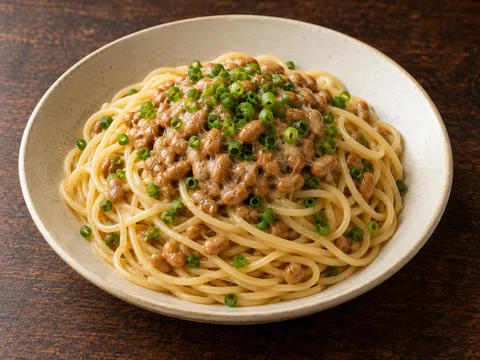
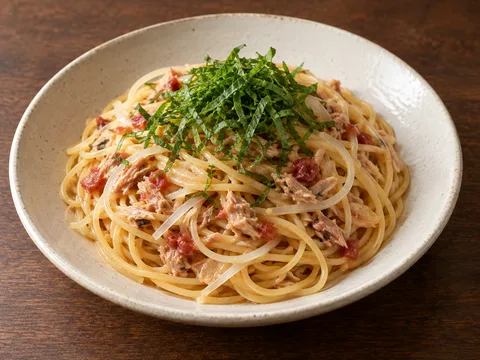
 Japanese-style pasta Explore Japanese-style pasta with soy sauce, ume, natto, whitebait and other ingredients.
 Vegetable pasta Choose a vegetable-led pasta dish. Each recipe explains whether its vegetables are sautéed, simmered or used in a sauce.
Search all dishes (103)
You can also browse regional dishes and ingredient variations.














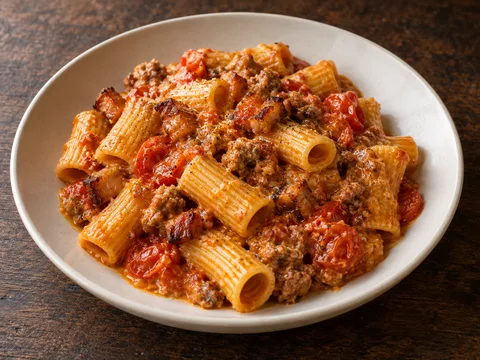
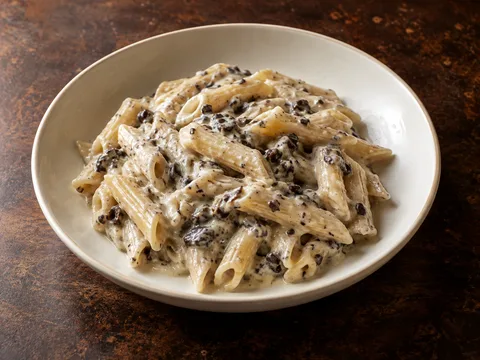


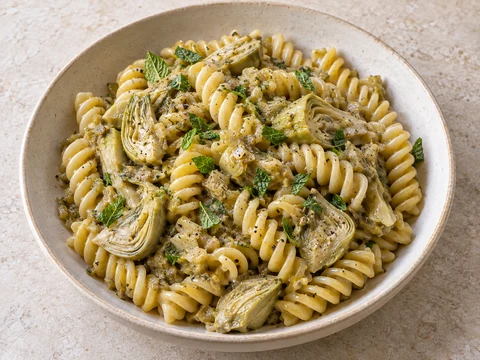

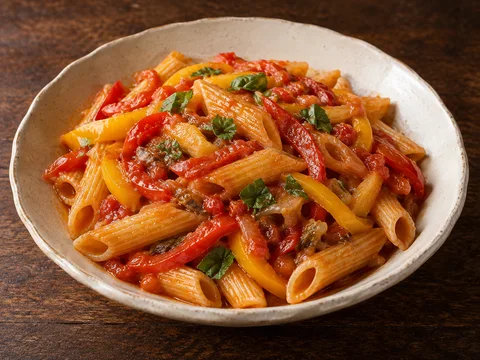



No dishes found. Try another name or ingredient.
Explore by region and origin
Where the dishes come from La mappa
Places associated with each dish. Touch a pin to raise the plate; click for its page.
Dishes not plotted on this map
Rome & Lazio 1
Naples & Campania 5
Liguria 1
Lombardy 1
Across Italy 44
- Spaghetti allo scoglio
- Pescatore
- Vongole Rosso
- Pasta ai quattro formaggi
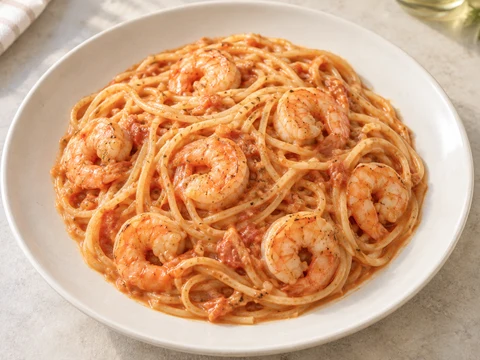
- Shrimp Tomato Cream Pasta
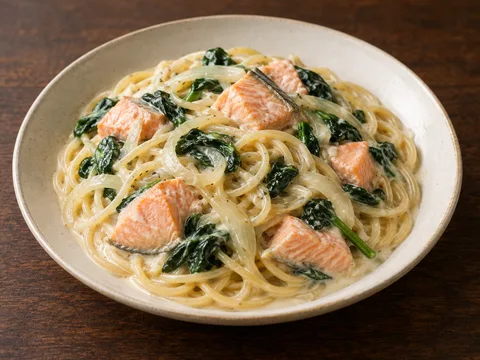
- Salmon Cream Pasta
- Mushroom Cream Pasta
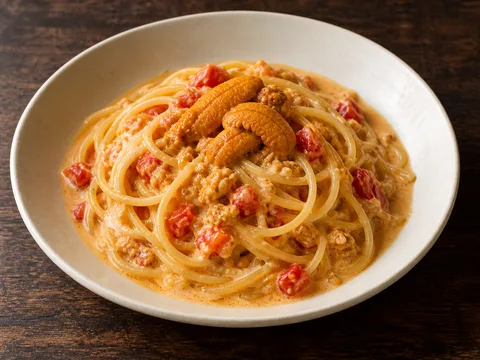
- Uni Cream Pasta
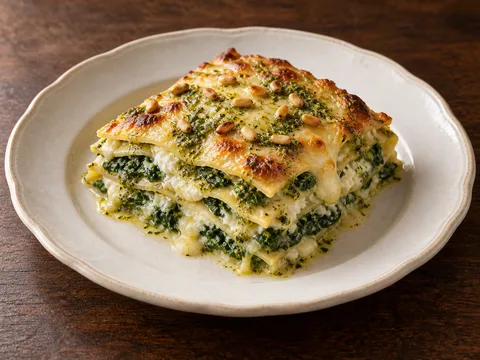
- Spinach and ricotta lasagna
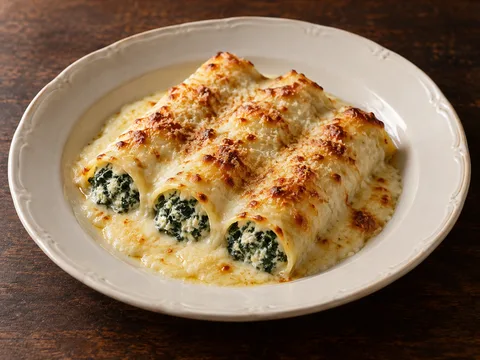
- Spinach and ricotta cannelloni
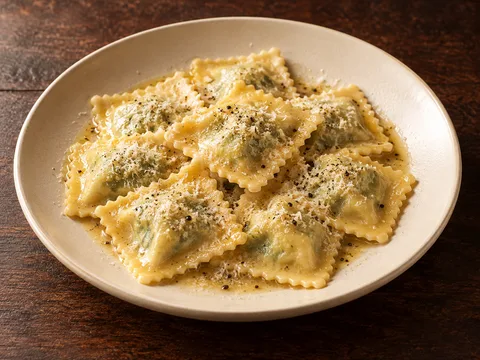
- Ricotta and spinach ravioli
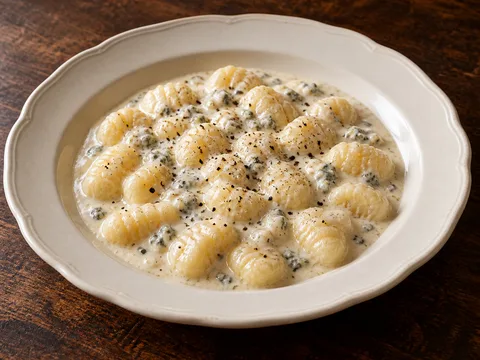
- Gnocchi with Gorgonzola
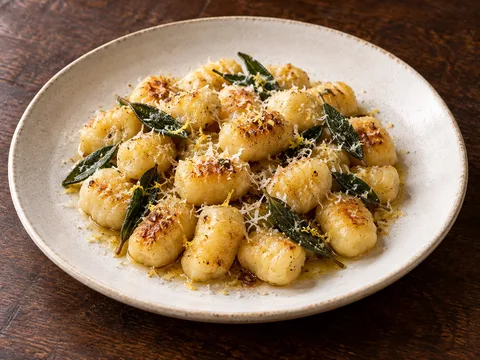
- Gnocchi with butter and sage
- Pasta e fagioli
- Pasta e ceci
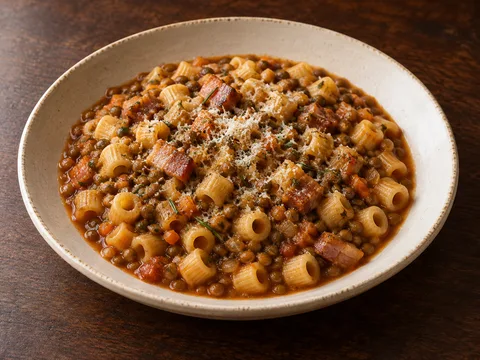
- Pasta e lenticchie
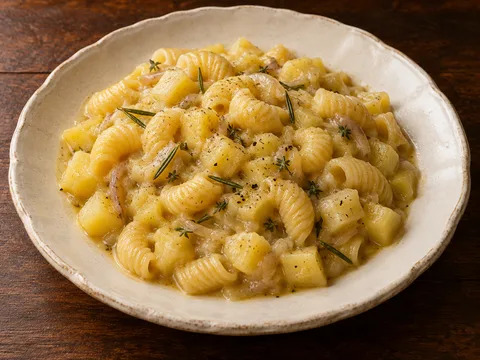
- Pasta e patate
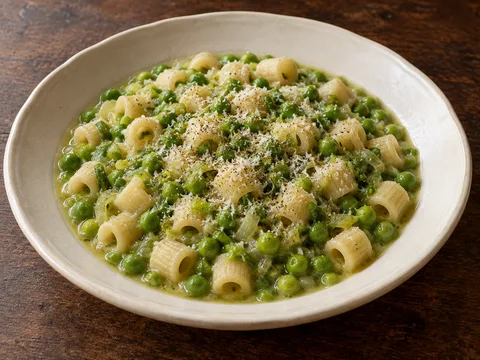
- Pasta e piselli
- Pasta with broccoli
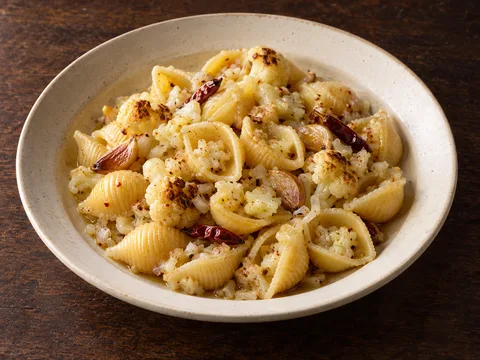
- Pasta with cauliflower
- Zucchini pasta
- Pasta alla boscaiola
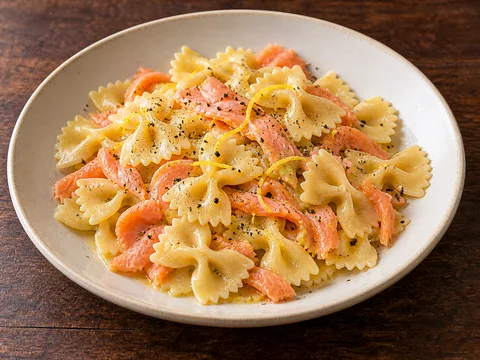
- Smoked salmon and lemon farfalle
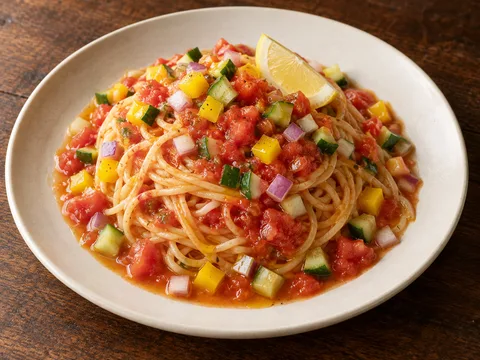
- Chilled Tomato Pasta
- Chicken Cream Pasta
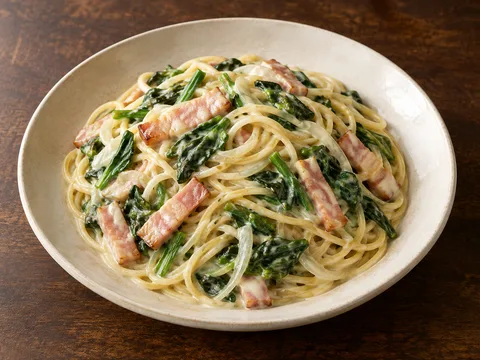
- Spinach and Bacon Pasta
- Tuna Tomato Pasta
- Spaghetti alla Bottarga
- Tuna and Lemon Pasta
- Pistachio Pasta
- Red Pesto Pasta
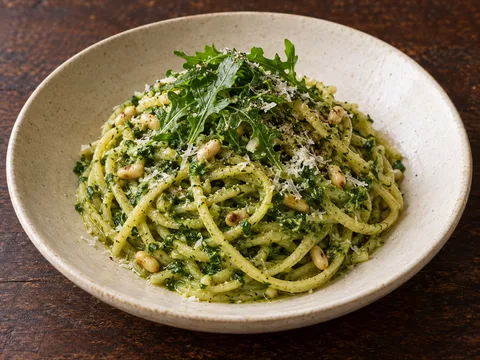
- Arugula Pesto Pasta
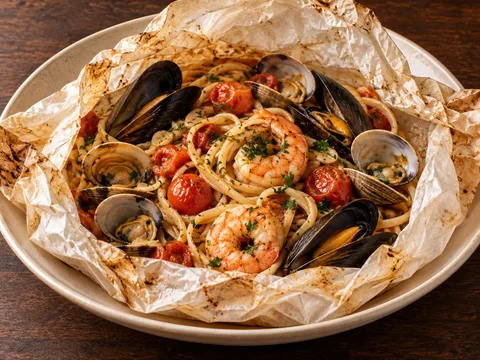
- Seafood Spaghetti al Cartoccio
- Pasta alla Cenere
- Tomato Sausage Pasta
- Porcini Pasta
- Asparagus Pasta
- Artichoke Pasta
- Pumpkin Pasta
- Bell Pepper Pasta
- Spaghetti with Mussels
- Lobster Spaghetti
- Zucchini Carbonara
- Seafood Carbonara
Japan 17
- Napolitan
- Mentaiko Spaghetti
- Tarako Pasta
- Tarako Carbonara
- Pepetama
- Japanese-style Meat Sauce
- Wafu Kinoko Pasta (Japanese-style Mushroom Pasta)
- Soup Pasta
- Chilled Mentaiko Pasta
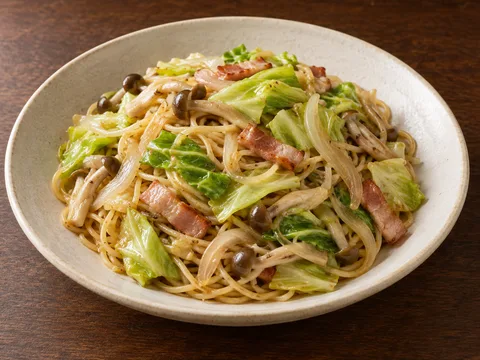
- Cabbage Anchovy Pasta
- Curry Pasta
- Japanese-style Tuna Pasta
- Natto Pasta
- Ume Shiso Pasta
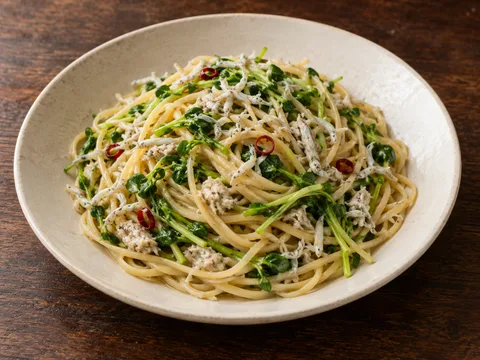
- Shirasu Pasta
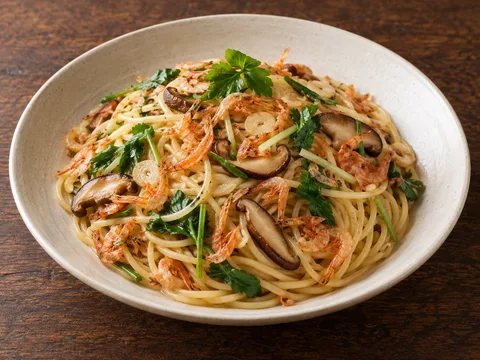
- Sakura Shrimp Pasta
- Butter Soy Sauce Pasta
United States 4
Other 1
Map data: Natural Earth 50m(public domain)
Where these dishes come from
- CarbonaraRome — The leading account has it born in post-war Rome; the name means 'the charcoal burner's'
- Aglio, olio e peperoncinoNaples — Built entirely from what a southern Italian kitchen always has on hand
- Ragù alla bologneseBologna — The Bologna Chamber of Commerce registered an official recipe in 1982
- Pesto alla GenoveseGenoa — First recorded in the 1852 book La vera cuciniera genovese by Emanuele Rossi; basil from the Prà district DOP is the traditional choice
- AmatricianaAmatrice — A mountain town in Lazio. The dish still carries its name after the earthquake
- Spaghetti alle vongoleNaples — A coastal dish built on the small clams of the Bay of Naples
- Cacio e pepeRome — Said to have started as food shepherds carried into the hills
- PomodoroNaples — The tomato entered the Italian table through 18th-century Naples
- Penne all'arrabbiataRome — Several competing accounts exist for its date of origin
- Spaghetti alla puttanescaNaples — Origin is disputed; an Ischia origin is the leading theory
- Pasta alla NormaCatania — The leading account traces the name to composer Bellini's opera
- Fettuccine AlfredoRome — Said to have originated in 1907 or 1908, when Alfredo Di Lelio created it for his wife after she gave birth (the English Wikipedia hedges with '1907 or 1908')
- Pasta alla griciaRome — The name is most often traced to a Roman grocer known as 'il Griccio'
- Pasta al LimoneAmalfi (Campania) — A coastal regional dish built on the local lemon variety, sfusato amalfitano
- Spaghetti al Nero di SeppiaCatania (Sicily) — Said to have grown out of a fisherman's habit of using every part of the squid, a dish of eastern Sicily
- NapolitanYokohama — Said to have been created at the Hotel New Grand in post-war Yokohama
- Mentaiko SpaghettiShibuya, Tokyo — Said to trace back to Kabe no Ana, the birthplace of tarako spaghetti
- Wafu Kinoko Pasta (Japanese-style Mushroom Pasta)Shibuya, Tokyo — Birthplace of Kabe no Ana, the originator of wafu spaghetti. The inventor of the mushroom version is unknown
- La Genovese napoletanaNaples — The origin is disputed (theories include merchants and mercenaries) and remains unsettled
- Orecchiette con le cime di rapaSan Nicandro di Bari (Bari province, Puglia) — The site credited with an origin under the 12th-13th century Norman-Swabian era
- Pasta con le SardePalermo — Legend traces it to Arab-ruled Palermo; the Italian-language source lists it as a seasonal dish
- Spaghetti all'AssassinaBari (Puglia) — Invented in 1967 by restaurateur Enzo Francavilla
- Ragù napoletanoNaples — Said to trace back to the 18th-century Bourbon court, via French chefs known as 'monzù'
- Pesto alla trapaneseTrapani (Sicily) — Grew out of agliata, changed via ties to Genoese trading ships that called at the port
- Pasta alla NorcinaNorcia (Umbria) — The dish takes its name directly from the town, home of the pork butchers known as norcini
- Bigoli in salsaVenice — A fish pasta for "lean days", said to originate in the Jewish quarter
- Tajarin al tartufo biancoAlba (Langhe, Piedmont) — A yolk-heavy hand-cut fresh pasta passed down among Langhe and Monferrato farming families since the 15th century
- Penne alla VodkaNew York — Origin unconfirmed. The New York Orsini restaurant (Luigi Franzese) theory, the Bologna Dante theory, and a Rome theory all coexist; a Gambero Rosso investigation rejected the New York theory and traced the dish to Mario Zorzetto in Rome. New York is the place where it became a standard Italian-American dish