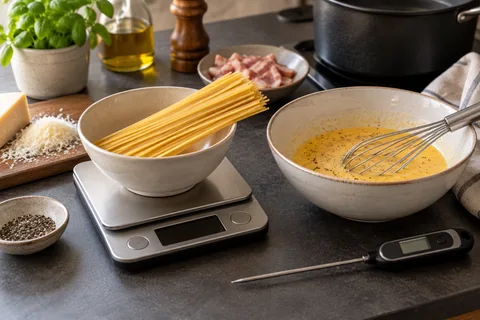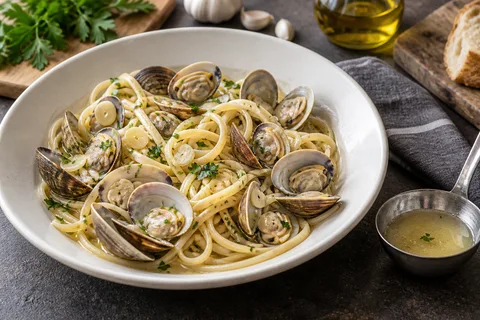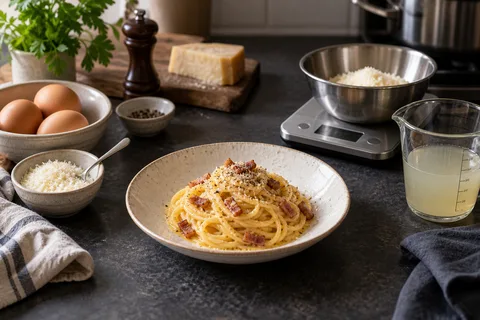
On camera, Kenji López-Alt says measurements don't need to be precise. In print, Serious Eats gives grams and milliliters, and a bowl set clear of the water — same school, two levels of precision.
International chef
Serious Eats (Daniel Gritzer)
Serious Eats
Food-science, foolproof design Eliminates failure points through equipment and procedure. The carbonara recipe uses a bain-marie and a 50:50 Pecorino/Parmigiano blend under the banner of "foolproof." Serious Eats is J. Kenji López-Alt's former outlet, but this particular recipe is authored by Daniel Gritzer.
What defines this chef’s technique
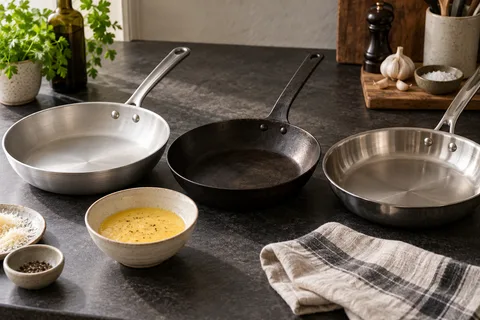
- Heats the egg mixture in a bain-marie, a metal bowl set over the pasta pot
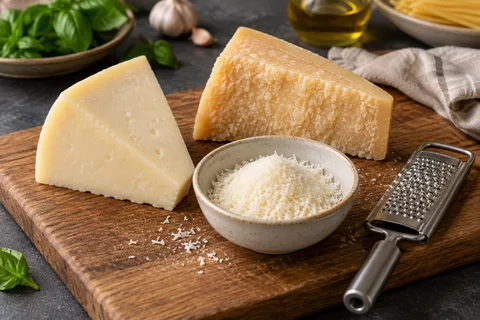
- Blends Pecorino and Parmigiano 50:50 to balance saltiness and aroma
- Uses 2 whole eggs plus 6 egg yolks for 4 servings, balancing richness and lightness
- Goes light on salt in the pasta water, since the pasta water itself is used in the sauce
Cook from this chef’s recipes
8 dishes


Gear and ingredients referenced by Serious Eats (Daniel Gritzer)
Add them all to your shopping list
No gear confirmed from sources yet. We add items as they show up in videos.
Articles about Serious Eats (Daniel Gritzer)
In a carbonara egg mixture, the white starts to set first and the yolk second. That order is why whole-egg and yolks-only recipes come off the heat at different moments.
Vincenzo's Plate allows pancetta or salami as a substitute in amatriciana but names bacon specifically as the one to avoid. Here's how guanciale differs, how chefs treat it, and how to buy it online.
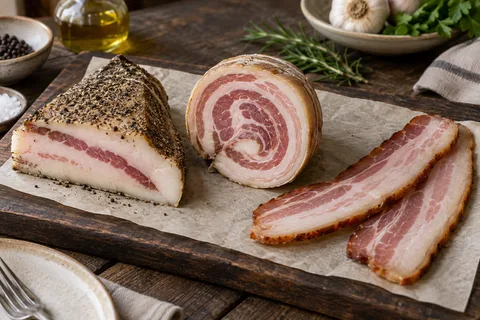
Guanciale, pancetta, and bacon are all cured pork, but fat ratio and smoking split them apart. Serious Eats ranks them bacon, pancetta, guanciale — and guanciale use ranges 19g to 67g per 100g pasta.
Ogura's fava bean carbonara, Fabio's rich carbonara and Gritzer's carbonara all pull the egg off direct heat.
Pecorino is salty sheep's-milk cheese; Parmigiano is milder cow's-milk. Some recipes leave the water unsalted so Pecorino carries the salt; others salt it heavily instead. Pick the cheese first.
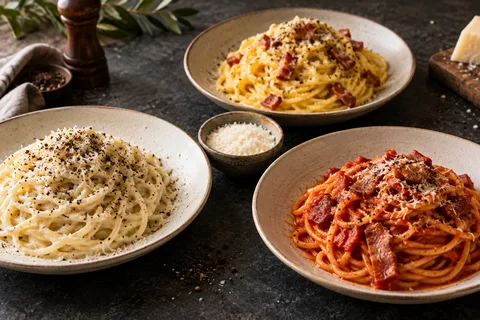
Cacio e pepe's grated cheese runs 17g to 50g per 100g of pasta, and Fabio adds 50g of cream cheese on top. Rome's three classics split along the same three axes: cheese, pork fat, emulsion.
Eyeball a portion of pasta and it can swing by several grams to a dozen-plus per serving (the editors' rough figure).
Ryuji's vongole bianco includes a half-teaspoon of kombu tea. Seven takes split on one real question — does the pasta drink clam liquor straight, or get tossed with a pasta-water emulsion?