
Rome & Lazio
Cacio e pepe
Cacio e pepe, 9 ways
Just Pecorino Romano and black pepper. Everything comes down to temperature control — turning the cheese into a cream without it clumping.
RyujiFabioTomomi OguraChef Ropia (Akifumi Kobayashi)Vincenzo's PlatePasta GrammarJ. Kenji López-AltItalia SquisitaMax Mariola
Official videos by Tomomi Ogura
A representative video and official arrangements with different ingredients or pasta. Check the original videos for the method.
An Italian chef teaches how to make "Spaghetti Cacio e Pepe with Spring Onions" [Italian Professi
Watch the official video on YouTube ↗Hangover Cacio e Pepe Live
Watch the official video on YouTube ↗Choose from the cooks’ recipes
Each card leads to its source video or recipe page. You can also load a style straight into the builder
RyujiRecipe developer Source verified
One-pan: 340cc water, 10g butter, 2 tbsp grated cheese
- Adds MSG, butter, and grated cheese to make it work without Pecorino — a shortcut route
- Warming the plate in the microwave to stop the cheese from clumping — a practical home-kitchen touch
- The concept that 'aside from the pasta, it's basically just seasonings'
View the original recipe Load this style
In the chef’s words
- It's a one-pan dish so it's super easy, and aside from the pasta it's basically just seasonings, so you can make it anytime you're hungry source
FabioItalian cook (freelance chef; YouTube channel) Partly unverified
50g cream cheese leads the emulsion, melted off the heat
- An original twist that puts 50g cream cheese at the center of emulsifying and adding richness
- A home-kitchen-friendly, separation-proof design
- A separate recipe reportedly exists with an unsalted-butter version from a Tuscan-born chef (unverified)
View the original recipe Load this style
In the chef’s words
- Adding cream cheese brings mellowness and richness, making it easier to eat source
Tomomi OguraOwner-chef of Regalo in Sangubashi Source verified
A build on aglio e olio, with 15g Parmigiano and garlic
- Parmigiano instead of Pecorino, plus garlic — a real departure from tradition
- A course-style build that treats 'the base aglio e olio is here' as a reusable component
- Since the cheese isn't melted in, clumping failures structurally can't happen
View the original recipe Load this style
In the chef’s words
- This time it's a pasta with Parmigiano and pepper. Please see the base aglio e olio recipe here source
References: [1]
Three ingredients, no fat: cheese liquid, tossed off heat
- Three ingredients, zero fat — the closest of the Japanese chefs to true Roman tradition
- Explicitly calls out 'turn off the heat before adding cheese' as a Point
- Finishes cooking the pasta in the pan (with extra pasta water)
References: [1]
Vincenzo's PlateItalian-born, Sydney-based YouTube channel Source verified
2026 version: no salt, less water, melted by steam
- Revised from an old recipe to a 2026 version (less water, no salt) — the method visibly evolved within the same chef
- Cites '2025 research' to ground the starch-concentration claim in science
- The older 150g figure is still on the page, but the FAQ states the 2026 version uses 125g
Pasta GrammarA husband-and-wife channel: Eva, from Calabria, Italy, and Harper, from the US Source verified
Pecorino 30g + Parmigiano 30g, added off heat after 3 min
- A 50/50 Pecorino/Parmigiano blend, clearly distinct from the 100%-Pecorino camp
- Gives a specific cooldown instruction: 'turn off the heat and let it cool for 3 minutes'
- Recommends the microplane, saying 'in Italy the cheese is always grated extra-fine'
View the original recipe Load this style
In the chef’s words
- the entire purpose of the dish, which is meant to be something you can whip up in no time, with little fuss or forethought source
References: [1]
Source is a recipe page (no video)
Skillet-boiled for starch, pepper bloomed in oil
- Proposed 'boiling in a skillet with less water to concentrate the starch' back in 2016 — the same conclusion Vincenzo reaches in his 2026 version
- A two-stage use of pepper: roasted plus freshly ground
- A science-driven voice that spells out 4 points under 'Why It Works'
View the original recipe Load this style
In the chef’s words
- Cooking the pasta in a skillet instead of a pot helps concentrate the starch in the water, making the sauce smoother. source
Italia SquisitaItalian food media channel featuring Michelin-starred and well-known chefs Source verified
Armando al Pantheon original: cubeb pepper, off the heat
- The only recipe here that calls for cubeb pepper (pepe nero cubebe)
- A non-numeric craftsman's standard: 'everything should stay liquid but not wet'
- Presented in an 'original vs. creative' contrast format
View the original recipe Load this style
In the chef’s words
- Questo è il passaggio più complicato, perché tutto deve restare liquido ma non bagnato source
Pecorino cream whisked in a bowl, with a drizzle of EVOO
- While the rhetoric calls the BBC's butter-and-Parmigiano version 'the cuckold's dish,' his own recipe includes 1 tbsp Parmigiano and EVOO — a gap between the rhetoric and the recipe
- A tool-driven emulsion made with a whisk in a bowl
- Strongly recommends eating it immediately
Compared on 9 axes
Figures are transcribed as written in each video or recipe page
| AXIS | Ryuji | Fabio | Tomomi Ogura | Chef Ropia (Akifumi Kobayashi) | Vincenzo's Plate | Pasta Grammar | J. Kenji López-Alt | Italia Squisita | Max Mariola |
|---|---|---|---|---|---|---|---|---|---|
| Pasta, portion, and boiling | 1.4mm, 100g, no pre-boiling | Spaghettoni, 90g | 1.5mm, 70g | 1 serving, 2 min under package time | Spaghettoni, 250g | Spaghetti, 160g / 2 servings | Spaghetti 225g, boiled in the skillet, 1 min under package time | Spaghetti, 600g | tonnarelli / spaghetti (no amount given) |
| Salt in the pasta water | 1/3 tsp + 4 shakes of MSG | to taste (no %) | 1.5% | 1% | unsalted (2026 version) / old version used 1 tbsp rock salt | plenty (no %) | a pinch | coarse salt, to taste | not stated |
| Water volume | 340cc (one-pan) | water + pasta water, 100cc, for the sauce | not stated (1-2 tbsp pasta water) | separate pot + extra pasta water in the pan | less (2026 version) | large pot | just enough to cover the noodles (in the skillet) | scant ('kept sparing') | about 1 ladle of pasta water into the cream |
| Cheese | 2 tbsp grated cheese (+ 10g butter) | Pecorino 15g + cream cheese 50g | Parmigiano 15g (finish) | grated cheese (video uses Grana Padano), no fat | Pecorino 125g (text also says 150g), no fat | Pecorino 30g + Parmigiano 30g | Pecorino 55g (extra-fine) + butter 30g | Pecorino 150g, no fat | Pecorino + Parmigiano 1 tbsp + a little EVOO |
| Black pepper | cracked black peppercorns to finish | coarse, toasted over low heat | black pepper (finish) | whole, dry-toasted | roasted about 2 min | medium-high heat, 4 min roast, mortar | 1 tsp bloomed in oil + freshly ground | cubeb pepper, 1 tbsp, roasted whole, mortar | whole black pepper |
| Emulsification method | reduce, then butter, then grated cheese over low heat | off the heat, residual heat melts cream cheese then Pecorino | aglio e olio style, cheese added at the finish | make cheese liquid first, toss off the heat | paste, then steamed over the pot | off heat, cooled 3 min, added in stages | combined with pasta water in a separate skillet | mantecare with the heat off throughout | whisked in a bowl, no heat |
| Heat and temperature | low heat | low, then off | off once colored, then relit | low, then off | off direct heat, warmed by steam | high, then off to cool | medium-low, then set aside | sempre a fuoco spento (always off the heat) | no heat used |
| Finishing | warmed plate, black pepper | black pepper, cheese | black pepper, Parmigiano | grated cheese, pepper | remaining sauce, black pepper | extra cheese | extra cheese | warmed plate, pepper, Pecorino | extra cheese, pepper, lemon zest (optional) |
| Total time | 20 min | about 15 min | about 20 min | about 15 min | about 20 min | about 20 min | 25 min | not stated | not stated |
| Source check | Source verified | Partly unverified | Source verified | Source verified | Source verified | Source verified | Partly unverified | Source verified | Partly unverified |
Ryuji One-pan: 340cc water, 10g butter, 2 tbsp grated cheese
- Pasta, portion, and boiling
- 1.4mm, 100g, no pre-boiling
- Salt in the pasta water
- 1/3 tsp + 4 shakes of MSG
- Water volume
- 340cc (one-pan)
- Cheese
- 2 tbsp grated cheese (+ 10g butter)
- Black pepper
- cracked black peppercorns to finish
- Emulsification method
- reduce, then butter, then grated cheese over low heat
- Heat and temperature
- low heat
- Finishing
- warmed plate, black pepper
- Total time
- 20 min
- Source
- Source verified
Fabio 50g cream cheese leads the emulsion, melted off the heat
- Pasta, portion, and boiling
- Spaghettoni, 90g
- Salt in the pasta water
- to taste (no %)
- Water volume
- water + pasta water, 100cc, for the sauce
- Cheese
- Pecorino 15g + cream cheese 50g
- Black pepper
- coarse, toasted over low heat
- Emulsification method
- off the heat, residual heat melts cream cheese then Pecorino
- Heat and temperature
- low, then off
- Finishing
- black pepper, cheese
- Total time
- about 15 min
- Source
- Partly unverified
Tomomi Ogura A build on aglio e olio, with 15g Parmigiano and garlic
- Pasta, portion, and boiling
- 1.5mm, 70g
- Salt in the pasta water
- 1.5%
- Water volume
- not stated (1-2 tbsp pasta water)
- Cheese
- Parmigiano 15g (finish)
- Black pepper
- black pepper (finish)
- Emulsification method
- aglio e olio style, cheese added at the finish
- Heat and temperature
- off once colored, then relit
- Finishing
- black pepper, Parmigiano
- Total time
- about 20 min
- Source
- Source verified
Chef Ropia (Akifumi Kobayashi) Three ingredients, no fat: cheese liquid, tossed off heat
- Pasta, portion, and boiling
- 1 serving, 2 min under package time
- Salt in the pasta water
- 1%
- Water volume
- separate pot + extra pasta water in the pan
- Cheese
- grated cheese (video uses Grana Padano), no fat
- Black pepper
- whole, dry-toasted
- Emulsification method
- make cheese liquid first, toss off the heat
- Heat and temperature
- low, then off
- Finishing
- grated cheese, pepper
- Total time
- about 15 min
- Source
- Source verified
Vincenzo's Plate 2026 version: no salt, less water, melted by steam
- Pasta, portion, and boiling
- Spaghettoni, 250g
- Salt in the pasta water
- unsalted (2026 version) / old version used 1 tbsp rock salt
- Water volume
- less (2026 version)
- Cheese
- Pecorino 125g (text also says 150g), no fat
- Black pepper
- roasted about 2 min
- Emulsification method
- paste, then steamed over the pot
- Heat and temperature
- off direct heat, warmed by steam
- Finishing
- remaining sauce, black pepper
- Total time
- about 20 min
- Source
- Source verified
Pasta Grammar Pecorino 30g + Parmigiano 30g, added off heat after 3 min
- Pasta, portion, and boiling
- Spaghetti, 160g / 2 servings
- Salt in the pasta water
- plenty (no %)
- Water volume
- large pot
- Cheese
- Pecorino 30g + Parmigiano 30g
- Black pepper
- medium-high heat, 4 min roast, mortar
- Emulsification method
- off heat, cooled 3 min, added in stages
- Heat and temperature
- high, then off to cool
- Finishing
- extra cheese
- Total time
- about 20 min
- Source
- Source verified
J. Kenji López-Alt Skillet-boiled for starch, pepper bloomed in oil
- Pasta, portion, and boiling
- Spaghetti 225g, boiled in the skillet, 1 min under package time
- Salt in the pasta water
- a pinch
- Water volume
- just enough to cover the noodles (in the skillet)
- Cheese
- Pecorino 55g (extra-fine) + butter 30g
- Black pepper
- 1 tsp bloomed in oil + freshly ground
- Emulsification method
- combined with pasta water in a separate skillet
- Heat and temperature
- medium-low, then set aside
- Finishing
- extra cheese
- Total time
- 25 min
- Source
- Partly unverified
Italia Squisita Armando al Pantheon original: cubeb pepper, off the heat
- Pasta, portion, and boiling
- Spaghetti, 600g
- Salt in the pasta water
- coarse salt, to taste
- Water volume
- scant ('kept sparing')
- Cheese
- Pecorino 150g, no fat
- Black pepper
- cubeb pepper, 1 tbsp, roasted whole, mortar
- Emulsification method
- mantecare with the heat off throughout
- Heat and temperature
- sempre a fuoco spento (always off the heat)
- Finishing
- warmed plate, pepper, Pecorino
- Total time
- not stated
- Source
- Source verified
Max Mariola Pecorino cream whisked in a bowl, with a drizzle of EVOO
- Pasta, portion, and boiling
- tonnarelli / spaghetti (no amount given)
- Salt in the pasta water
- not stated
- Water volume
- about 1 ladle of pasta water into the cream
- Cheese
- Pecorino + Parmigiano 1 tbsp + a little EVOO
- Black pepper
- whole black pepper
- Emulsification method
- whisked in a bowl, no heat
- Heat and temperature
- no heat used
- Finishing
- extra cheese, pepper, lemon zest (optional)
- Total time
- not stated
- Source
- Partly unverified
Remix the steps (optional)
Your picks stay in the URL, so you can share it as is
1  Pasta & boiling Brand, thickness, salt, water volume, cooking time
 2 Base Fat and the main ingredient: rendering, infusing
3  Sauce & emulsion Where you toss, heat level, how much pasta water
 4  Finish Cheese, pepper, finishing oil, plating
 The map of schools: where the heat is managed
For Cacio e pepe, the fork in the road is how you emulsify and heat

Toss over direct heat
The pan stays on the flame and your hands manage the temperature. Fast, but it takes feel.

Indirect heat
Bain-marie, steam, double boiler or a hand blender. Repeatable, at the cost of one extra step.
Off the heat
Emulsify after killing the flame, or in a bowl with only the pasta’s residual heat. Hard to get wrong.
What to serve after this
In an Italian meal the primo (pasta) is followed by a secondo (main course)

Saltimbocca alla romana
Saltimbocca alla romana
Thin-pounded veal is layered with sage and prosciutto, pinned with a toothpick, and sauteed in butter. The name means "jumps in the mouth" (salta in bocca). The salt of the prosciutto and the aroma of the sage make up for the veal's blandness, and the key is not to overcook the prosciutto side.
Pairs with: Pasta alla gricia / Cacio e pepe / Spaghetti alle vongole
A staple Roman primo. Since it's just cheese and black pepper with no meat, its flavor doesn't overlap with the prosciutto secondo's pork character, and the weight can still rise in the second half while staying rooted in the same place.
Gear and ingredients for this dish
Purchase suggestions for preparing this dish, including tools and ingredients.
Articles about Cacio e pepe
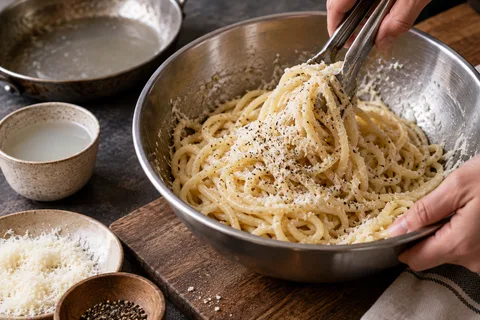
Two Ingredients, One Failure: The Moment Cacio e Pepe Goes Wrong
Cacio e pepe comes down to cheese and black pepper, yet almost every failure has one cause — a pan that's too hot when the cheese goes in. Eight chefs split into three schools for that moment.

Tellicherry Is a Size Grade, Not a Variety
 Ingredients
Cacio e pepe has just two elements asserting themselves — Pecorino's salt and pepper's bite — so grind coarseness alone changes the plate. Tellicherry is a size grade, not a variety.
Some Chefs Pull It 30 Seconds Early. Others Pull It at Half.
The box time appears to assume pasta eaten straight from the pot, though we could not find a manufacturer stating that outright. Skip the subtraction before a pan toss, and it turns soft.

Same Chef, Two Dishes: When Fine Grating Matters Less
Ogura mixes Parmigiano into raw egg for carbonara, where shred size decides whether it melts evenly. In his cacio e pepe, cheese is just grated over the top — so fineness matters far less.
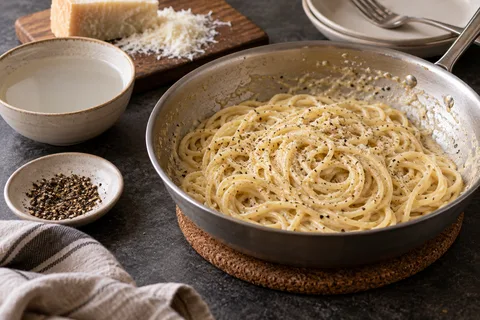
Salt "To Taste," Water "Sparing": the Two Amounts Left Unnumbered
 Chef profiles
Italia Squisita's original cacio e pepe gives no water volume or salt amount — just "enough salt" and water used "sparingly." Its amatriciana browns guanciale in a dry, blazing-hot pan instead.
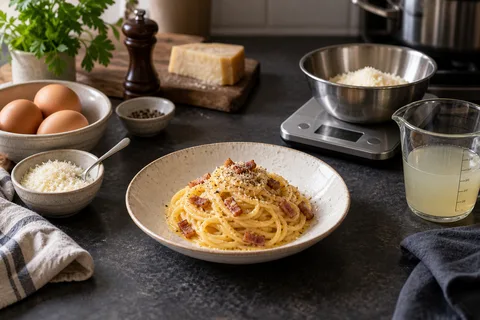
He Says Don't Measure Precisely. Serious Eats Prints Grams.
On camera, Kenji López-Alt says measurements don't need to be precise. In print, Serious Eats gives grams and milliliters, and a bowl set clear of the water — same school, two levels of precision.
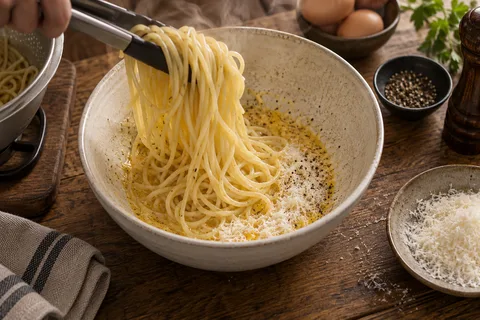
Half the Salt, No Stove: How This Couple Emulsifies Carbonara
Pasta Grammar's carbonara cuts pasta-water salt in half and emulsifies on residual pasta heat alone, no pan over the flame. Cacio e pepe rests off the heat three minutes before the cheese goes in.
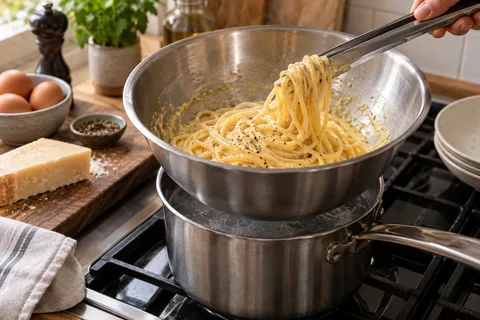
Vincenzo's Plate Sets the Egg With Steam, Never Direct Heat
Vincenzo's Plate emulsifies both carbonara and cacio e pepe off direct heat, with the pan suspended over the pasta pot's steam. His 2026 cacio e pepe drops salt entirely.

Ryuji Says He "Completely Ignored" the Authentic Method
 Reads
Ryuji calls his own aglio e olio "heretical, yet supreme." We trace how it swaps emulsification and water-ratio math for one-pan cooking and umami seasoning, across his 2020 and 2023 recipes.
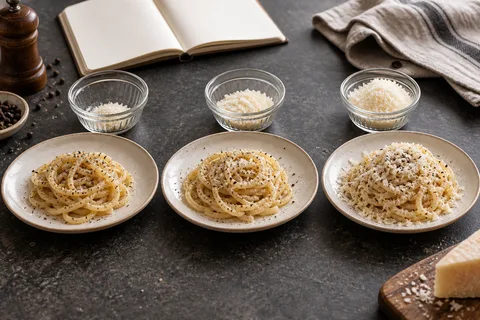
Even "Traditionalist" Cacio e Pepe Splits Cheese in Half
Three channels all calling themselves traditionalist put 25g, 37.5g, and 50g of cheese per 100g of pasta into cacio e pepe — the middle one is half Pecorino, half Parmigiano.
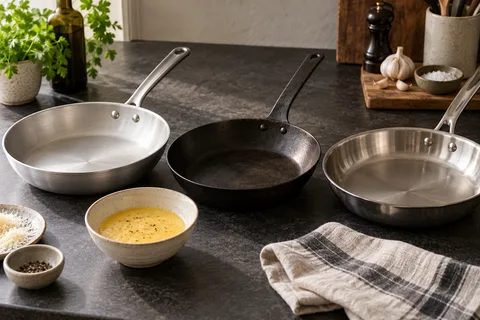
The Chefs Who Nail Emulsification Never Use Direct Heat
Ogura's fava bean carbonara, Fabio's rich carbonara and Gritzer's carbonara all pull the egg off direct heat.
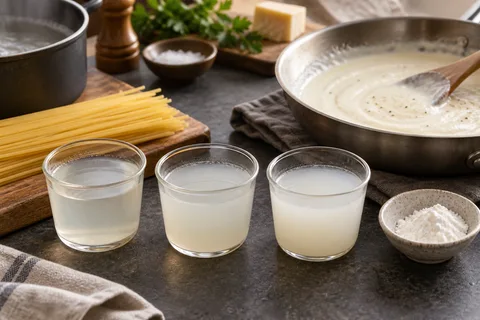
Same Variable, Different Prescription: Kenji vs. the 2025 Paper
A 2025 physics study found sauce stability turns on starch as a share of cheese mass: under 1% splits, 2-3% is ideal, over 4% stiffens. Kenji cuts the water; the paper's own fix is powdered starch.
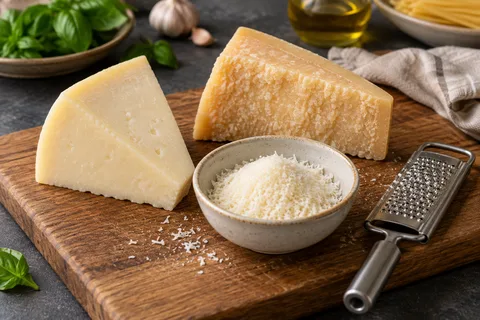
Why Some Chefs Salt the Pasta Water Less for Pecorino
Pecorino is salty sheep's-milk cheese; Parmigiano is milder cow's-milk. Some recipes leave the water unsalted so Pecorino carries the salt; others salt it heavily instead. Pick the cheese first.
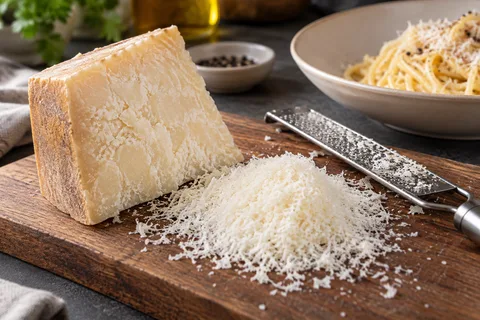
Buy Pecorino as a Wedge: Why to Grate It Right Before Use
One Roman amatriciana uses 20g of Pecorino Romano DOP per 100g of pasta — the highest ratio we could confirm for the dish. Buying it as a wedge, in our view, keeps more of the aroma.

Cacio e Pepe's Pepper Has Four Schools: Raw to Roasted
Ryuji scatters raw cracked peppercorns at the finish; Pasta Grammar roasts them 4 minutes, then pounds them in a mortar. Grind and heat alone split cacio e pepe pepper into at least four schools.
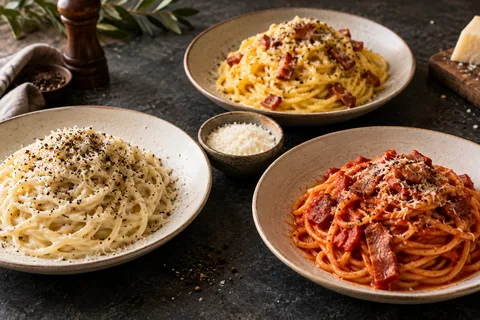
17g to 50g of Grated Cheese: The Three Axes Through Rome's Pastas
Cacio e pepe's grated cheese runs 17g to 50g per 100g of pasta, and Fabio adds 50g of cream cheese on top. Rome's three classics split along the same three axes: cheese, pork fat, emulsion.